

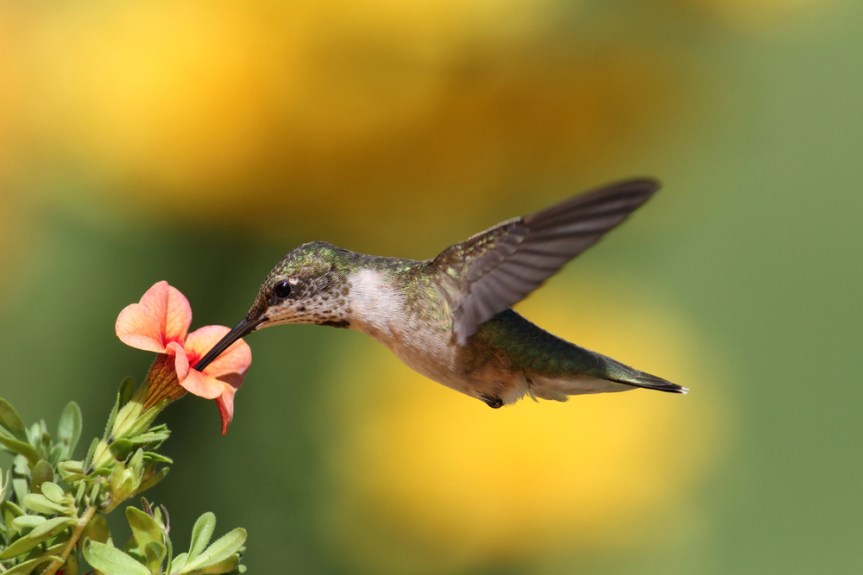
I love looking out my window and spotting a blur of green and red zipping around my plants. Ruby-Throated Hummingbirds are common in North Florida, and there are some things you can do to attract these charming little bundles of energy to your yard.
Here’s everything you need to know about spotting them, attracting them, and keeping them coming back to your garden.
Identifying Ruby-Throated Hummingbirds
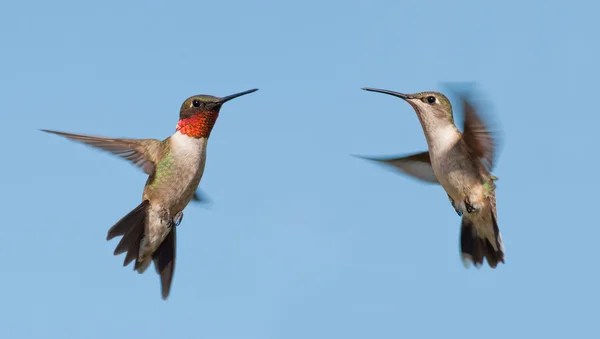
Ruby-throated hummingbirds are small, iridescent birds with shimmering green backs and white bellies. The males steal the show with their namesake ruby-red throat patch, called a gorget. In the right light, this throat can look almost black until the sun catches it and sets it ablaze in fiery red.
Females and juveniles lack this bright coloring, sporting plain white throats and more subdued hues, which makes them easier to distinguish.
When I first saw the females, I thought they were a different type of hummingbird since they were missing the red throat! I managed to get a video of one in my yard recently. They have been loving the blooms on my spiral ginger plants.
Video of Female Ruby-Throated Hummingbird in Action
How to Tell Males from Females
- Males: Bright metallic green backs, white bellies, and that dazzling ruby throat.
- Females: Slightly larger than the males, with white or lightly streaked throats and greenish crowns.
- Juveniles: Often resemble the females but may show a hint of iridescence as they mature.
When and Where to Spot Them
In North Florida, ruby-throated hummingbirds arrive in early spring after an incredible migration—many fly straight across the Gulf of Mexico without stopping.
They breed and nest in the region throughout spring and summer. By late summer into fall, activity around feeders often spikes as both adults and fledglings fuel up for their journey south. (This explains why I’ve seen so many lately!)
Winter sightings are rare but not impossible, as a few overwinter in the state.
How to Attract Hummingbirds to Your Yard
Creating a hummingbird-friendly yard is easier than you might think. These birds are drawn to both natural food sources and well-maintained feeders.
Flowers They Love
Hummingbirds have a soft spot for tubular, brightly colored blooms. In North Florida, you’ll have great luck with:
- Coral honeysuckle
- Firebush
- Red salvia
- Trumpet creeper
- Pentas
- Bottlebrush
- Spiral Ginger (as seen in my video)
Planting a mix of these ensures nectar from early spring through late fall.
Feeders and Homemade Nectar
A classic red hummingbird feeder is a sure way to bring them in closer for a good view. Skip the store-bought mixes—making nectar at home is cheaper and safer.
Recipe for Hummingbird Nectar:
- 1 part white granulated sugar
- 4 parts water
Boil the water, stir in the sugar until it dissolves, then let it cool. Fill your feeder with the mixture and store extras in the fridge for up to a week. Never add red dye—your feeder does the job of catching their eye.
Tips for Healthy Feeding
- Clean feeders every 3–4 days (more often in hot weather) to prevent mold.
- Space multiple feeders apart to reduce territorial battles.
- Keep feeders shaded to slow spoilage.
- Also be sure to put the feeder some place you can easily see and enjoy the nature show.
The Joy of Hosting Hummingbirds
No matter how many times I see them zipping by, I always stop to watch the hummingbirds. They’re just fascinating the way they buzz around.
With a few flowers, a simple feeder, and a little patience, you too can turn your backyard into a stopover for one of nature’s most spectacular travelers.
Discover more from Keane & Coastal
Subscribe to get the latest posts sent to your email.
 Keane & Coastal
One thought on “Attracting Ruby-Throated Hummingbirds to Your Yard in North Florida”