

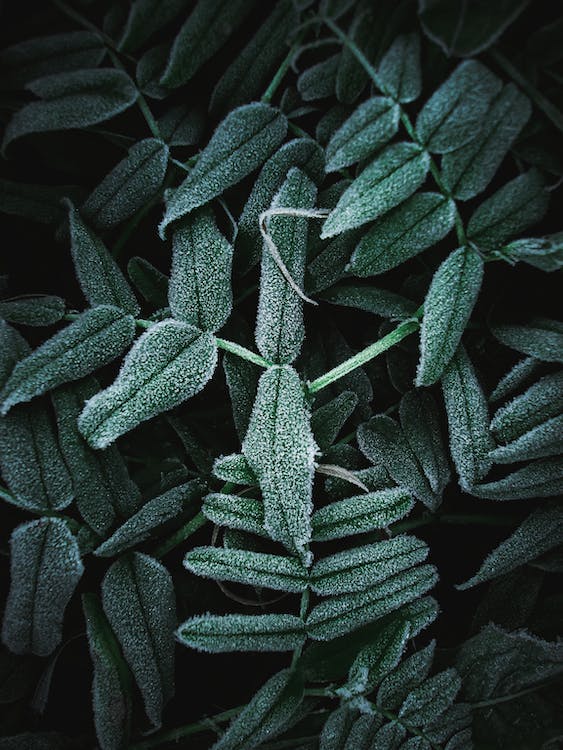
A big winter chill is heading our way, and I’m worried about our plants! Last year we were gone when a bad freeze came through that lasted three days, and we lost a lot of plants.
Read on for tips on how to prepare your plants for a freeze, and ways to help them come back if they are damaged.
See how bad the freeze damage was in this Reel:
How to Prepare Your Yard for the Freeze
This year we are trying to prepare for the bad weather and save some of the plants. If you are wondering how to prepare your yard for a winter freeze, here’s a few tips.
Insulate Plants:
To protect delicate plants from the cold, consider insulating them with frost cloth or floating row covers. This can help maintain a slightly warmer environment around the plants during freezing temperatures.
Mulch:
Apply a thick layer of mulch around the base of plants to provide an extra layer of insulation. Mulch helps regulate soil temperature and retains moisture, which can be crucial during freezing conditions.
Watering:
Ensure that the soil around the plants is well-watered before the freeze sets in. Moist soil retains more heat than dry soil, which can help protect the roots of the plants.
Cover Vulnerable Plants:
For potted or delicate plants that cannot be moved, consider covering them with blankets or burlap to shield them from the cold and frost.
Bring Potted Plants Indoors:
If possible, bring potted plants indoors to protect them from the harsh outdoor conditions.
Prune and Trim:
Trim any dead or damaged branches from trees and shrubs before the freeze. This can help prevent further damage caused by the cold weather.
Remember to keep an eye on weather forecasts and take necessary precautions ahead of time to safeguard your plants from winter freezes.
To care for plants that get damaged in a freeze, follow these steps:
Assess the Damage:
After the freeze, assess the extent of the damage to your plants. Wait until the weather warms up to see if new growth appears, as some plants can recover from freeze damage. Many of ours did come back!
Prune Dead Material:
Trim away any dead or damaged branches, leaves, or stems from the plants. Make clean cuts to remove the affected areas, promoting healthy regrowth in the future.
Provide Proper Care:
Water the damaged plants appropriately, ensuring the soil remains moist but not waterlogged. Proper hydration can support recovery and new growth.
Apply Fertilizer:
Use a balanced fertilizer to provide essential nutrients for the recovery of the damaged plants. Follow the manufacturer’s instructions for application.
Monitor for New Growth:
Keep a close eye on the plants for signs of new growth. Adjust care based on the specific needs of each plant as they recover from the freeze damage.
I’m happy to report that after that last bad freeze, our plants did come back! Some that we thought were goners and had to cut all the way to the ground actually grew back. I’m really hoping the new growth survives the winter this year.
Discover more from Keane & Coastal
Subscribe to get the latest posts sent to your email.
 Keane & Coastal
3 thoughts on “Preparing for the Freeze”